
Eight of the 10 most populous countries did not go to the World Cup.
Even though there are many fans But many of the world's top countries by population did not appear at the World Cup. The main cause comes from resource factors. Infrastructure and historical football experiences
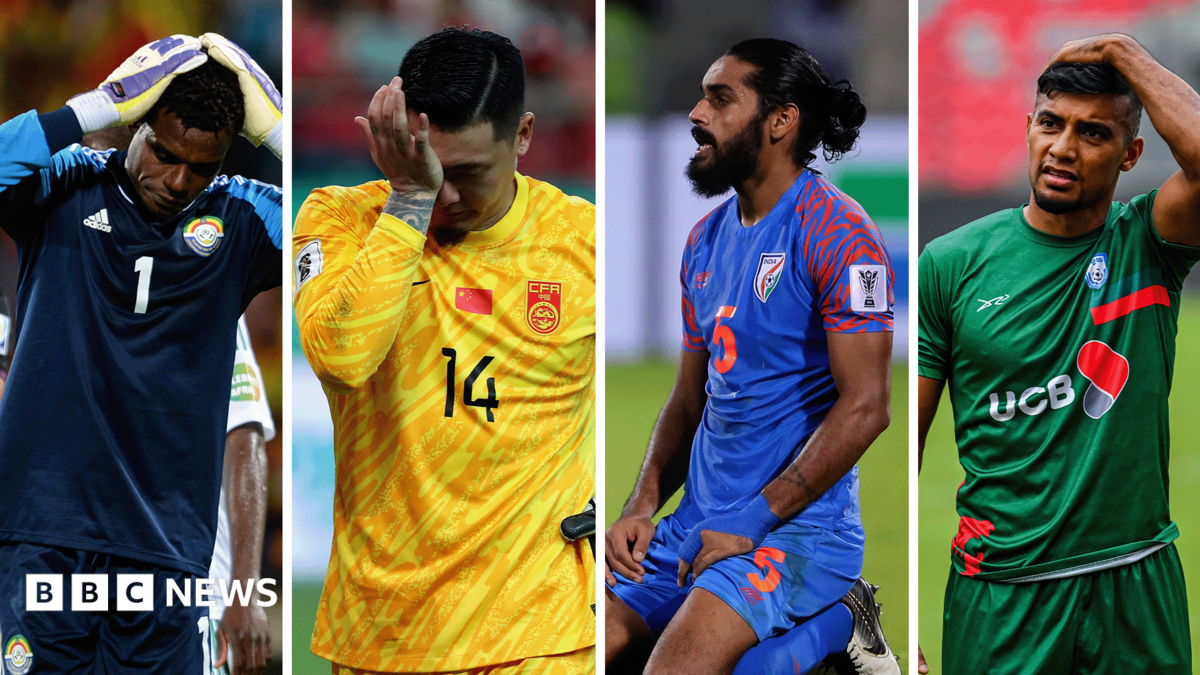 for many nations in Africa and South Asia Football developed at a slower pace. Therefore, it lags behind countries in Europe and South America that have long had high levels of competition. This helps us understand why some countries were able to overtake them, such as Morocco being the only African nation to reach the semi-finals at the 2022 World Cup, and South Korea being the only Asian nation to finish in the top four as co-hosts in 2002.
But there are countries like Indonesia, India, and Bangladesh that are still unable to catch up. Chemansky sees the main reason as a lack of resources, talent, and experience. Even with increased investment, there is still a problem with know-how.
Ethiopia has never qualified for the World Cup. Although they had won the African Football Championship (AFCON) in 1962 and had the closest chance in the 2014 qualifying round, when they reached the final round of qualifying but lost to Nigeria in a home-away series. In addition, professional football within the country faces a severe lack of investment. One of the problems is the lack of licensed stadiums to host competitions. This has forced the professional league to play more than 380 matches in just three stadiums, according to Kifel Seife, CEO of the Ethiopian Premier League, in an interview with The Reporter on June 27. The lack of stadiums has also resulted in the men's national team having to use Morocco as their home stadium for qualifying rounds.
Some countries also face problems from their success in other sports. India, for example, is a cricket powerhouse and has the richest league, the IPL, causing children and parents to focus more on cricket than former India international Shyam Thapa points out that the success of the IPL has made it difficult to recruit middle and upper level footballers. But some experts point out that That's just an excuse. Udite Karim says countries like Australia and New Zealand have made it to the World Cup despite being dominant cricket nations. So the popularity of cricket is no real excuse.
The case of China is interesting to follow. Its strategy is to invest a lot of money and bring famous players from South America and Europe to its home league. But performances at the World Cup have not been successful for a long time. Beijing-based football expert Mark Dreyer says the main problem is top-down state control. which lacks decisions from those with direct football knowledge China has not returned to the World Cup since 2002.
Indonesia has only played in one World Cup in 1938 as the Dutch East Indies, while their run in the 2026 qualifiers is well thought out, having reached the final round of qualifying. But this performance has the factor of calling on a large number of Indonesian players who were born and raised in Europe to help the team. Therefore, there are many players in Indonesia's starting line-up who were born in Europe. According to Jerome Wierawan, BBC Indonesian news editor,
Pakistan and Bangladesh were eliminated from the Asian Qualifiers from the group stage without winning any of their six matches. Pakistan has also been banned from international competition three times by the International Football Federation between 2017 and 2025 due to political interference in the governing body.
For football fans in many countries The dream of seeing your country in the World Cup may still be far away. In the meantime, Udite Karim offers a realistic view: "I don't see the possibility of seeing Bangladesh play in a World Cup in my lifetime," she said, but she stressed that the compensation is to celebrate and experience the joy of the tournament with fans around the world.
for many nations in Africa and South Asia Football developed at a slower pace. Therefore, it lags behind countries in Europe and South America that have long had high levels of competition. This helps us understand why some countries were able to overtake them, such as Morocco being the only African nation to reach the semi-finals at the 2022 World Cup, and South Korea being the only Asian nation to finish in the top four as co-hosts in 2002.
But there are countries like Indonesia, India, and Bangladesh that are still unable to catch up. Chemansky sees the main reason as a lack of resources, talent, and experience. Even with increased investment, there is still a problem with know-how.
Ethiopia has never qualified for the World Cup. Although they had won the African Football Championship (AFCON) in 1962 and had the closest chance in the 2014 qualifying round, when they reached the final round of qualifying but lost to Nigeria in a home-away series. In addition, professional football within the country faces a severe lack of investment. One of the problems is the lack of licensed stadiums to host competitions. This has forced the professional league to play more than 380 matches in just three stadiums, according to Kifel Seife, CEO of the Ethiopian Premier League, in an interview with The Reporter on June 27. The lack of stadiums has also resulted in the men's national team having to use Morocco as their home stadium for qualifying rounds.
Some countries also face problems from their success in other sports. India, for example, is a cricket powerhouse and has the richest league, the IPL, causing children and parents to focus more on cricket than former India international Shyam Thapa points out that the success of the IPL has made it difficult to recruit middle and upper level footballers. But some experts point out that That's just an excuse. Udite Karim says countries like Australia and New Zealand have made it to the World Cup despite being dominant cricket nations. So the popularity of cricket is no real excuse.
The case of China is interesting to follow. Its strategy is to invest a lot of money and bring famous players from South America and Europe to its home league. But performances at the World Cup have not been successful for a long time. Beijing-based football expert Mark Dreyer says the main problem is top-down state control. which lacks decisions from those with direct football knowledge China has not returned to the World Cup since 2002.
Indonesia has only played in one World Cup in 1938 as the Dutch East Indies, while their run in the 2026 qualifiers is well thought out, having reached the final round of qualifying. But this performance has the factor of calling on a large number of Indonesian players who were born and raised in Europe to help the team. Therefore, there are many players in Indonesia's starting line-up who were born in Europe. According to Jerome Wierawan, BBC Indonesian news editor,
Pakistan and Bangladesh were eliminated from the Asian Qualifiers from the group stage without winning any of their six matches. Pakistan has also been banned from international competition three times by the International Football Federation between 2017 and 2025 due to political interference in the governing body.
For football fans in many countries The dream of seeing your country in the World Cup may still be far away. In the meantime, Udite Karim offers a realistic view: "I don't see the possibility of seeing Bangladesh play in a World Cup in my lifetime," she said, but she stressed that the compensation is to celebrate and experience the joy of the tournament with fans around the world.Related Articles
Latest in World Cup

Maradona's captain armband from the 1986 World Cup was auctioned off for 512,000.
Maradona's 1986 World Cup captain armband was auctioned off by Sotheby's and sold for $512,000 in connection with the quarter-final match against England in which Maradona scored two goals, including a goal. 'Hand of God'.
Oliver Whatmuff recalled by Man City Just a few days after being loaned to Stockport.
Manchester City have recalled youngster Oliver Whatmuff from his loan spell with Stockport. To strengthen the team during the pre-season After James Trafford will be absent due to international duty and a post-World Cup holiday.

Gabi excited before Portugal-Spain clash: 'Ronaldo one of the best players of all time'
Gabi clearly points out that it's not just because it's an important match. But he also likes playing with Cristiano Ronaldo, considered one of the best players. Despite criticism of Ronaldo's role from outside

Newcastle interested in VfB Stuttgart midfielder Angelo Stiller
VfB Stuttgart midfielder Angelo Stiller has been linked with several top clubs. Recently it was reported that Newcastle United are interested Stuttgart have yet to make an official offer and Stiller's contract has a release clause of around €36.5 million.